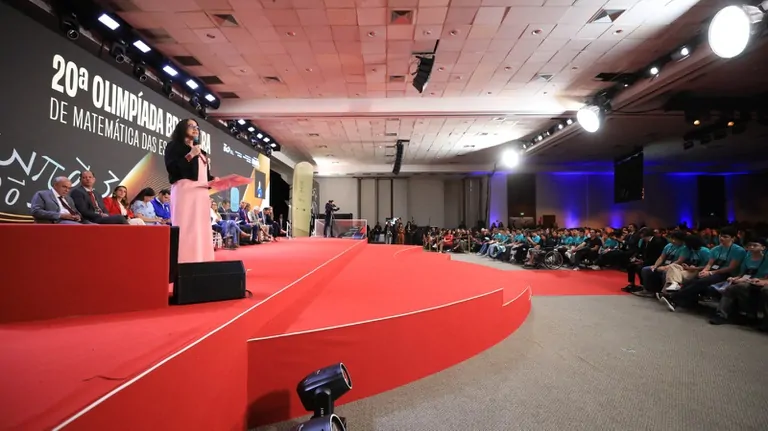


Téo Foresti Girardi, fundadora e CEO do GovTech Lab e curadora de e-gov do São Paulo Innovation. Week Foto: Govtech Lab/Divulgação
Inovação no setor público como agente estratégico de transformação social
O São Paulo Innovation Week (SPIW) dedicará uma trilha exclusiva para discutir como a tecnologia e a gestão inteligente podem revolucionar o atendimento ao cidadão. Entre os dias 13 e 15 de maio, o Palco e-Gov, realizado no Pacaembu e na FAAP, reunirá startups, lideranças governamentais e acadêmicos para debater a ampliação das capacidades estatais. Sob a curadoria de Téo Foresti Girardi, fundadora do GovTech Lab, e Gabriel Fuscaldo, CEO da Moove, o espaço funcionará como um hub para qualificar decisões públicas e posicionar o Estado como um protagonista da inovação.
Palestrantes confirmados e a integração entre governo e tecnologia
A programação contará com vozes influentes de diversos setores, incluindo Rafael Fássio, procurador do Estado de São Paulo, e Claudio Pinheiro, Chief Data Officer da Dell. O debate será enriquecido por especialistas como Andrea Motta, do Tony Blair Institute, e representantes da Petrobras e do Ministério da Ciência, Tecnologia e Inovação. O encontro visa conectar o poder de compra do governo a alavancas de melhoria nos serviços, garantindo que a transformação digital resulte em benefícios diretos para a população através de parcerias com fundos como o da KPTL.
Inteligência Artificial e a reorganização do Estado moderno
Um dos temas centrais será a adaptação das estruturas governamentais às mudanças provocadas pela Inteligência Artificial e o novo desenho regulatório necessário para o futuro. Téo Girardi destaca que digitalizar processos é apenas o primeiro passo; o desafio real é construir um “Estado Inteligente”. Durante o festival realizado pelo Estadão e pela Base Eventos, será feito o pré-lançamento do livro “O Estado Inteligente: Por que digitalizar não basta”, que propõe uma reflexão sobre como a coragem institucional e a visão pública são essenciais para redesenhar o papel do governo em tempos complexos e conectados.
Impacto público e o fortalecimento das parcerias GovTech
O Palco e-Gov abordará como as soluções GovTech podem tornar as compras públicas mais eficientes e os serviços estatais mais humanos. A discussão passa pela transparência de dados e pelo uso de tecnologia para agilizar a burocracia, um tema de alto interesse para investidores e gestores que buscam escalar soluções de impacto. Com descontos exclusivos para assinantes do jornal, o SPIW se consolida como o fórum definitivo para quem constrói a interface entre o setor público e o ecossistema de tecnologia, focando em desenvolvimento sustentável e bem-estar social.
Brasil Inovador
A trilha de e-Gov no São Paulo Innovation Week 2026 marca a transição definitiva da “burocracia digital” para a “eficiência preditiva”. De acordo com o Brasil Inovador, a presença de curadores especializados sinaliza que o país está finalmente tratando o governo como uma plataforma de inovação aberta, e não apenas como um ente regulador. A tendência observada é a descentralização dos serviços, onde a IA permite que o Estado se antecipe às necessidades do cidadão em áreas críticas como saúde e segurança. O Brasil Inovador reitera que o sucesso dessa agenda em São Paulo servirá de benchmark para outras metrópoles globais, provando que a verdadeira inovação acontece quando a tecnologia é utilizada para reduzir as desigualdades e maximizar o retorno social de cada centavo investido em infraestrutura digital.
São Paulo Innovation Week debates the future of public management on the e-Gov stage
São Paulo Innovation Week (SPIW) will dedicate an exclusive track to discussing how technology and intelligent management can revolutionize citizen services. Between May 13 and 15, the e-Gov Stage—held at Pacaembu and FAAP—will bring together startups, government leaders, and academics to debate the expansion of state capacities. Under the curation of Téo Foresti Girardi, founder of GovTech Lab, and Gabriel Fuscaldo, CEO of Moove, the space will function as a hub to qualify public decisions and position the State as a protagonist of innovation.
Confirmed speakers and the integration between government and technology
The program will feature influential voices from various sectors, including Rafael Fássio, attorney for the State of São Paulo, and Claudio Pinheiro, Chief Data Officer at Dell. The debate will be enriched by experts such as Andrea Motta from the Tony Blair Institute, as well as representatives from Petrobras and the Ministry of Science, Technology, and Innovation. The meeting aims to connect government purchasing power to levers for service improvement, ensuring that digital transformation results in direct benefits for the population through partnerships with funds such as KPTL.
Artificial Intelligence and the reorganization of the modern State
One of the central themes will be the adaptation of government structures to the changes brought about by Artificial Intelligence and the new regulatory design necessary for the future. Téo Girardi emphasizes that digitizing processes is only the first step; the real challenge is building an “Intelligent State.” During the festival, organized by Estadão and Base Eventos, the pre-launch of the book “The Intelligent State: Why Digitizing Is Not Enough” will take place, proposing a reflection on how institutional courage and public vision are essential for redesigning the role of government in complex and connected times.
Public impact and the strengthening of GovTech partnerships
The e-Gov Stage will address how GovTech solutions can make public procurement more efficient and state services more human-centric. The discussion includes data transparency and the use of technology to streamline bureaucracy—a topic of high interest for investors and managers seeking to scale impact solutions. With exclusive discounts for the newspaper’s subscribers, SPIW consolidates itself as the definitive forum for those building the interface between the public sector and the technology ecosystem, focusing on sustainable development and social well-being.
Brasil Inovador
The e-Gov track at São Paulo Innovation Week 2026 marks the definitive transition from “digital bureaucracy” to “predictive efficiency.” According to Brasil Inovador, the presence of specialized curators signals that the country is finally treating the government as an open innovation platform rather than just a regulatory entity. The observed trend is the decentralization of services, where AI allows the State to anticipate citizen needs in critical areas such as health and security. Brasil Inovador reiterates that the success of this agenda in São Paulo will serve as a benchmark for other global metropolises, proving that true innovation happens when technology is used to reduce inequalities and maximize the social return on every cent invested in digital infrastructure.